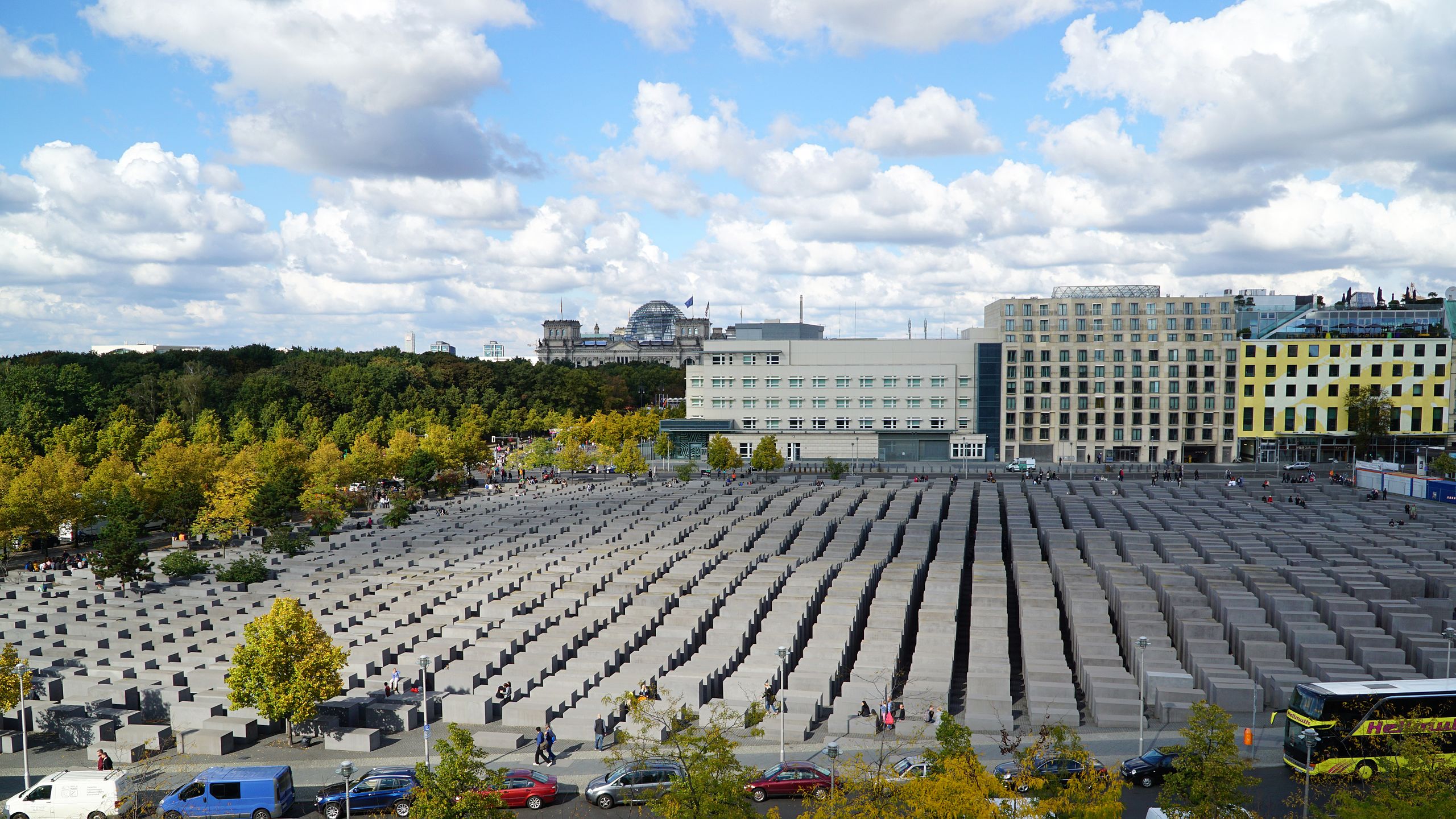
January 27, International Holocaust Remembrance Day, commemorates the victims and highlights the planned mechanisms of systematic oppression. The Holocaust was not a random act, but an organized and bureaucratized process, as historical documentation on the systematic identification and persecution of Jews and other groups by the Nazis shows. This pattern of violence can also be seen in other recent genocides and ethnic cleansing, such as in Rwanda, Srebrenica, and Myanmar.
During World War II, state technology and administrative systems played a central role in the efficiency of persecution. Companies provided tools that facilitated the mass identification of persecuted individuals. Today, there is also concern about the risk of technologies for controlling and recognizing individuals used in contexts of repression, which enable dehumanization and social control on a massive scale.
Collective memory functions as an act of political resistance. Projects such as Zakhor: Jewish History and Memory highlight the importance of preserving testimonial narratives to educate against complicit silence. The Stolpersteine initiatives, with plaques in memory of the victims, involve schools and communities in the creation of a geography of remembrance, turning memory into democratic pedagogy in the face of denialism.
Hannah Arendt’s concept of the “banality of evil” remains relevant to understanding how individuals and companies participated in the extermination system. Passive collaboration, as opposed to the direct action of righteous figures such as Aristides de Sousa Mendes, highlights the difference between complicity and institutional disobedience.
Today, preserving memory includes the use of new digital tools: artificial intelligence projects allow interactive testimonies from survivors to be preserved, and civil observation networks monitor extremist movements to warn of contemporary risks of xenophobia and authoritarianism. These practices consolidate memory as an educational, political, and ethical tool in today’s society.