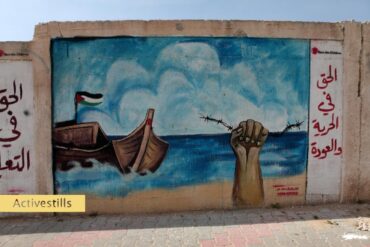
The evolution of Palestinian resistance: From popular uprisings to global disobedience
with No Comments

Palestinian resistance has been structured since the British Mandate (1920-1948) through adaptive forms of resistance to colonial repression. The Great Arab Revolt (1936-1939) was the first episode of large-scale popular mobilization, organized through a long general strike, local committees, and community networks. Women’s participation was fundamental during this period, both in social organization and in logistics, information transmission, and sustaining communities in resistance. After the Nakba of 1948 and, later, with the military occupation that began in 1967, new strategies … Read more
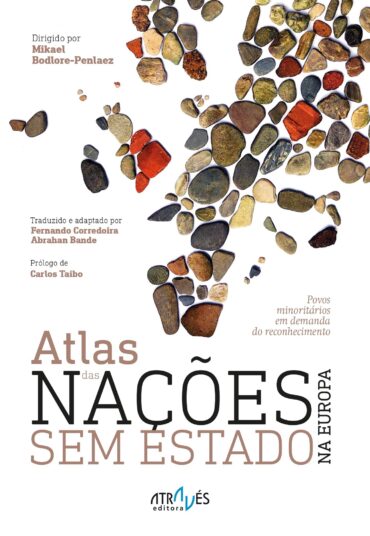
Atlas of Stateless Nations in Europe: Cartographies of Resistance
with No Comments

  By mapping identities without sovereignty, a break in the uniform narrative of nation states is revealed. Atlas of Stateless Nations in Europe (2017), by Breton researcher Mikael Bodlore-Penlaez, provides a precise geopolitical catalog of indigenous, national, and cultural movements demanding autonomy from the Basque Country to Lapland. Through detailed maps and historical analysis, the book breaks down the mechanisms of cultural homogenization to highlight realities such as those of the Sorbs in Germany or the Veneti in Italy. The … Read more

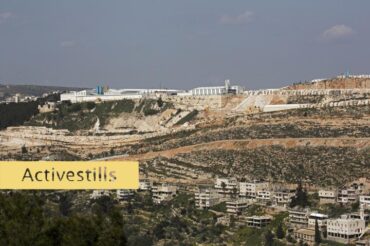
Control of mineral resources in Palestine: analysis of a prolonged occupation
with No Comments

  Since the occupation of the West Bank and Gaza in 1967, Israel has exercised structural control over the natural resources of the occupied Palestinian territories. This control, widely documented by international bodies and human rights organizations, affects the exploitation of strategic resources such as stone and aggregate quarries, phosphates, underground aquifers, and natural gas off the coast of Gaza, severely limiting Palestinian communities’ access to their own wealth. In the West Bank, most of these resources are located in … Read more