The need to understand the forms of domination that have existed throughout history led to the definition of several key concepts in «Imperialism. Definition of concepts. Differences between empire, imperialism, colonialism and neocolonialism», thus beginning this series of articles on imperialism. In this second entry, we will take a historical overview to learn about the main empires that have existed throughout history.
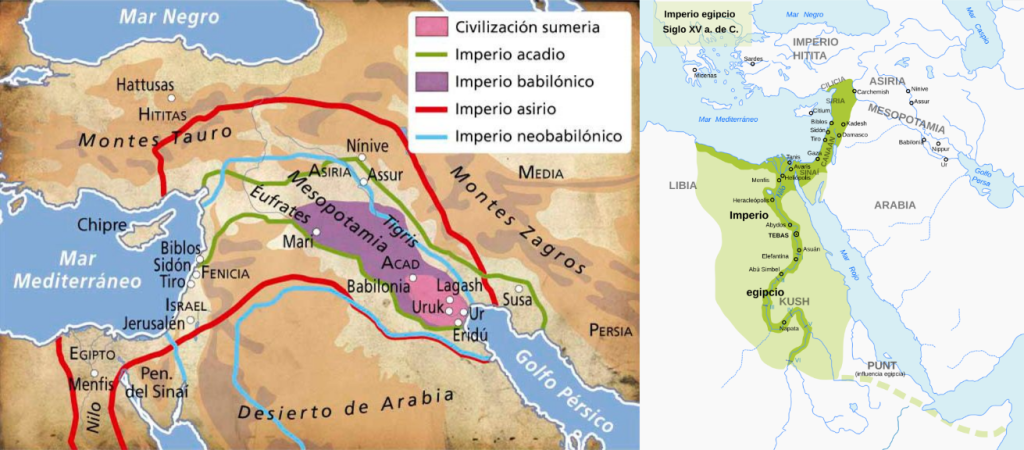
The first empires in history emerged in Mesopotamia, with the Akkadian Empire (c. 2334–2154 BCE), and somewhat later also in Egypt, with the New Kingdom of Egypt (c. 1580–1085 BCE). These early empires were regional because their territorial extent and administrative reach were limited to a single geographical and cultural region (Mesopotamia or the Nile Valley).
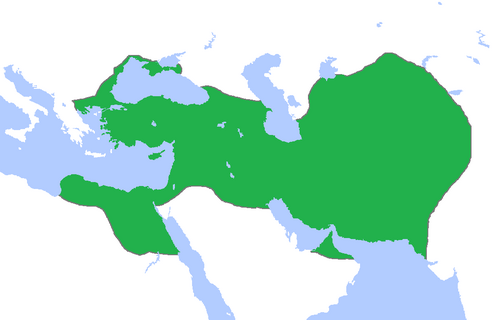
However, the first large-scale empire was the Achaemenid Empire of Persia (c. 550–330 BCE). Under Darius I, it reached its period of maximum territorial expansion. It was thus the first empire to achieve a continental and multicultural scale, covering around 5 million square kilometres (approximately half the area of Europe) and encompassing dozens of different peoples. Although figures vary, Darius ruled over around 50 million people, 44% of the world’s population at the time, constituting the historical record for the “largest empire by percentage of world population”.
The key to its success lay in the creation of the satrapies: provinces governed by satraps who were accountable to the king but enjoyed considerable local autonomy. The common administrative language was Aramaic, and the standard currency was the gold daric. In addition, he created a road and messaging system that made it possible to connect the centre of power with peripheral areas swiftly. Another key element was religious tolerance towards conquered peoples. The satrapies paid tribute to the central government, which also controlled trade routes. This balance between central power and the other regions was fundamental to the stability of the empire, establishing the foundations for others that would come later.
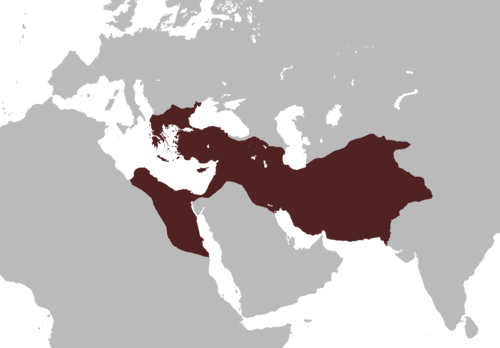
The end of the Persian Empire came with the expansion of the Macedonian Empire, led by Alexander the Great, during the period 336–323 BCE. Under his rule, the empire reached its greatest expansion through the conquest of the Persian Empire. However, its duration was brief, since after Alexander’s death at the age of 33, struggles for power destabilised the empire.
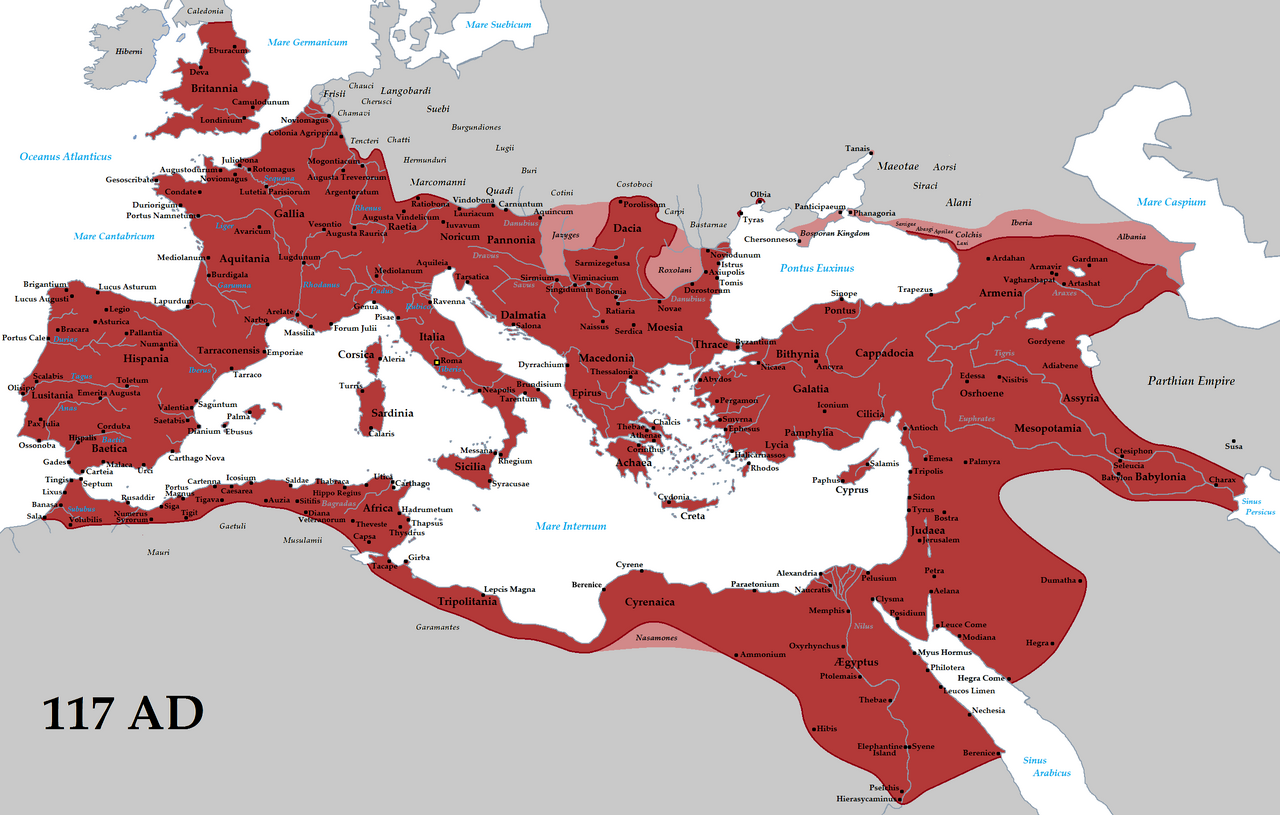
The Roman Empire (27 BCE–395 CE [unified]; 395–476 CE [West]; 395–1453 CE [East]), at its height under Trajan, stretched from the Atlantic to Mesopotamia. At that time, around 117 CE, it covered approximately 5 million square kilometres and ruled over an estimated population of between 50 and 60 million people (around 20% of the world’s population at the time, according to estimates). Latin in the West and Greek in the East served as administrative languages, while the denarius and the solidus circulated as imperial currencies. The division of 395 and the fall of Rome in the West in 476 marked the end of an era, although the Byzantine Empire survived until 1453.
The Umayyad Caliphate (661–750 CE) came to occupy almost 15 million square kilometres and rule over some 62 million people (approximately 29% of the world’s population). It was the first hereditary caliphate in Islam. Its capital was Damascus (Syria), and it underwent significant territorial expansion westwards (the Iberian Peninsula, North Africa) and eastwards (Persia, Central Asia, the Indus Valley).
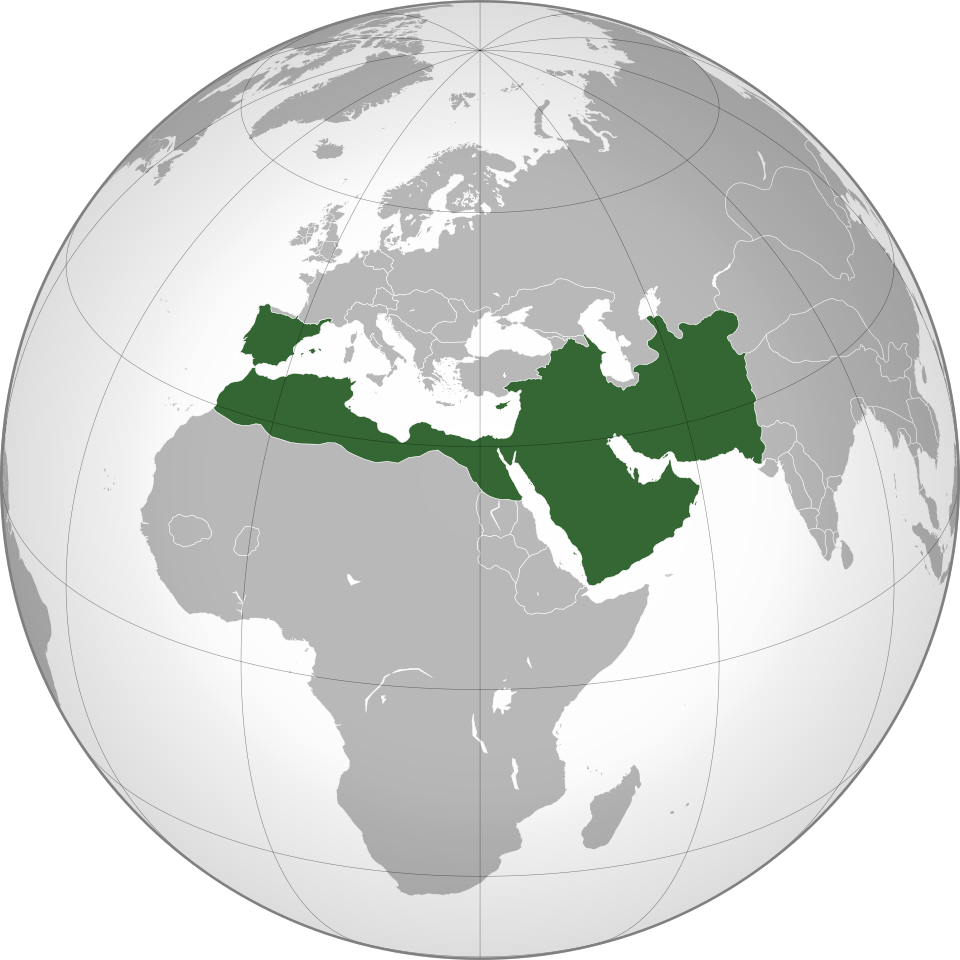
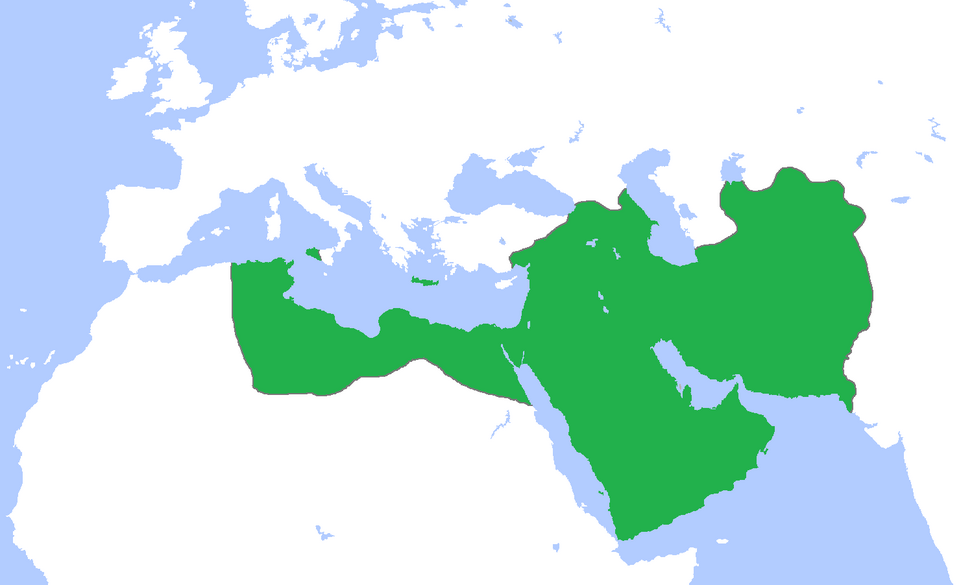
The Umayyad Caliphate was replaced by the Abbasid Caliphate (750–1258), which experienced its most prosperous period between 786 and 809 CE. Founded in 750 after a revolt against the Umayyads, it moved its capital to Baghdad (Iraq). Its period of greatest splendour coincided with a golden age of science, philosophy and the arts, with cultural and commercial contacts with Europe, India and China. A period of decline then began, ending with the Mongol invasion in 1258, when Baghdad was destroyed.
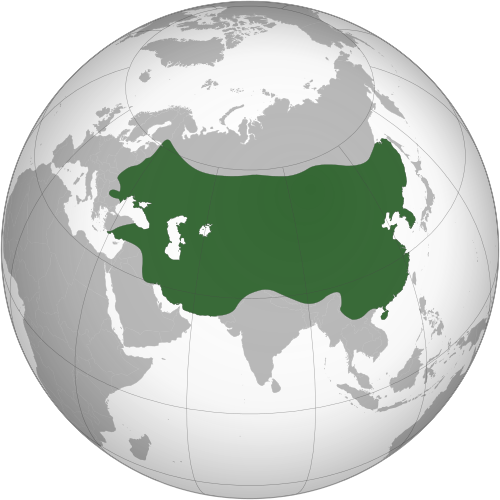
The Mongol Empire (13th–14th centuries) was founded by Genghis Khan, who was in power during the period 1206–1227. After his death, its expansion continued, eventually making it the largest land empire in history (among empires made up of contiguous territories). It reached 24 million square kilometres, with approximately 110 million inhabitants, around a quarter of the world’s population.
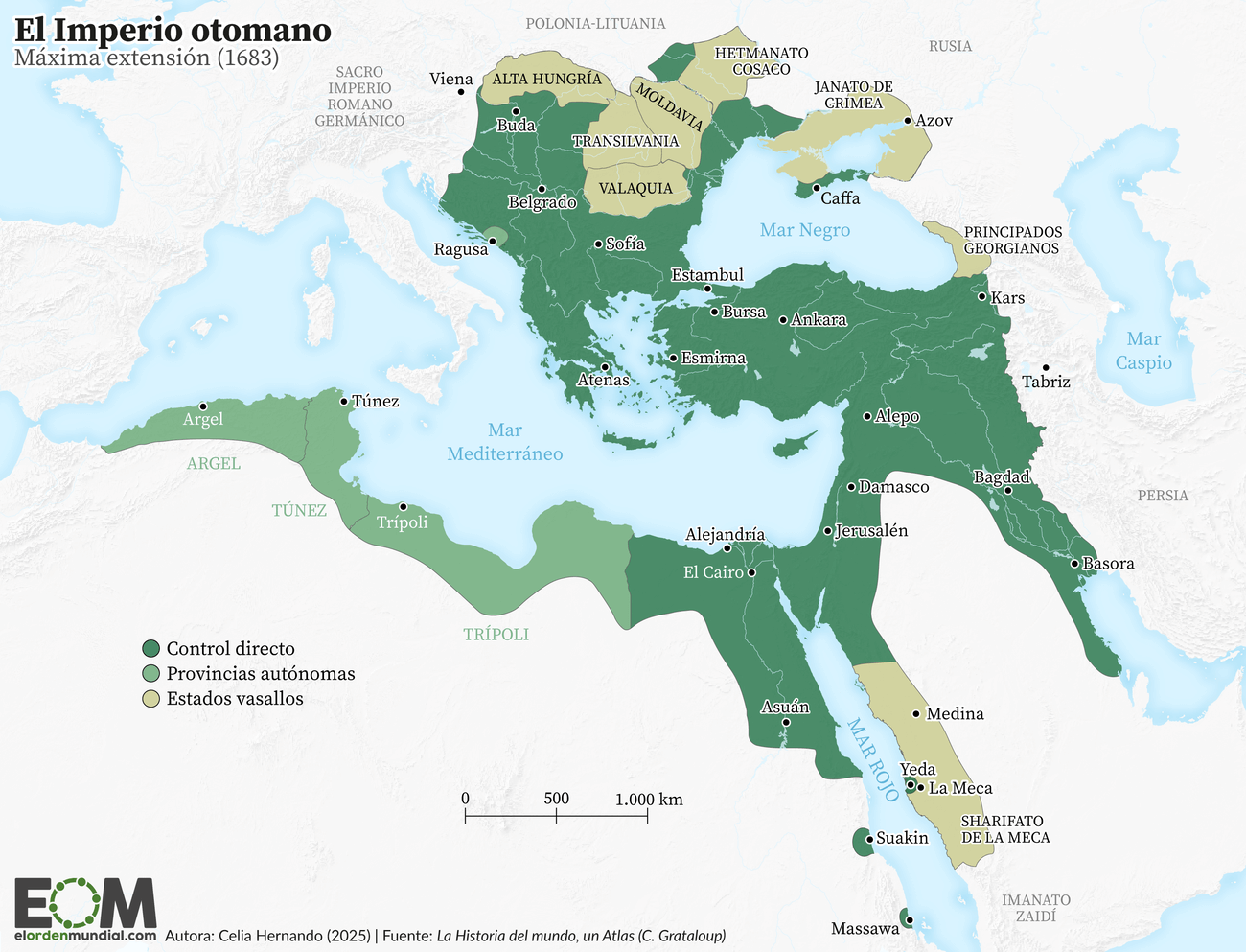
The Ottoman Empire (1299–1922) was one of the longest-lasting, with a presence on three continents: southeastern Europe, Western Asia and North Africa. It reached its maximum expansion in 1683, with 5.2 million square kilometres and an estimated population of around 24 million people, approximately 4% of the world’s population according to estimates. Its decline began in the 18th century, culminating in its disintegration after the First World War (1914–1918).
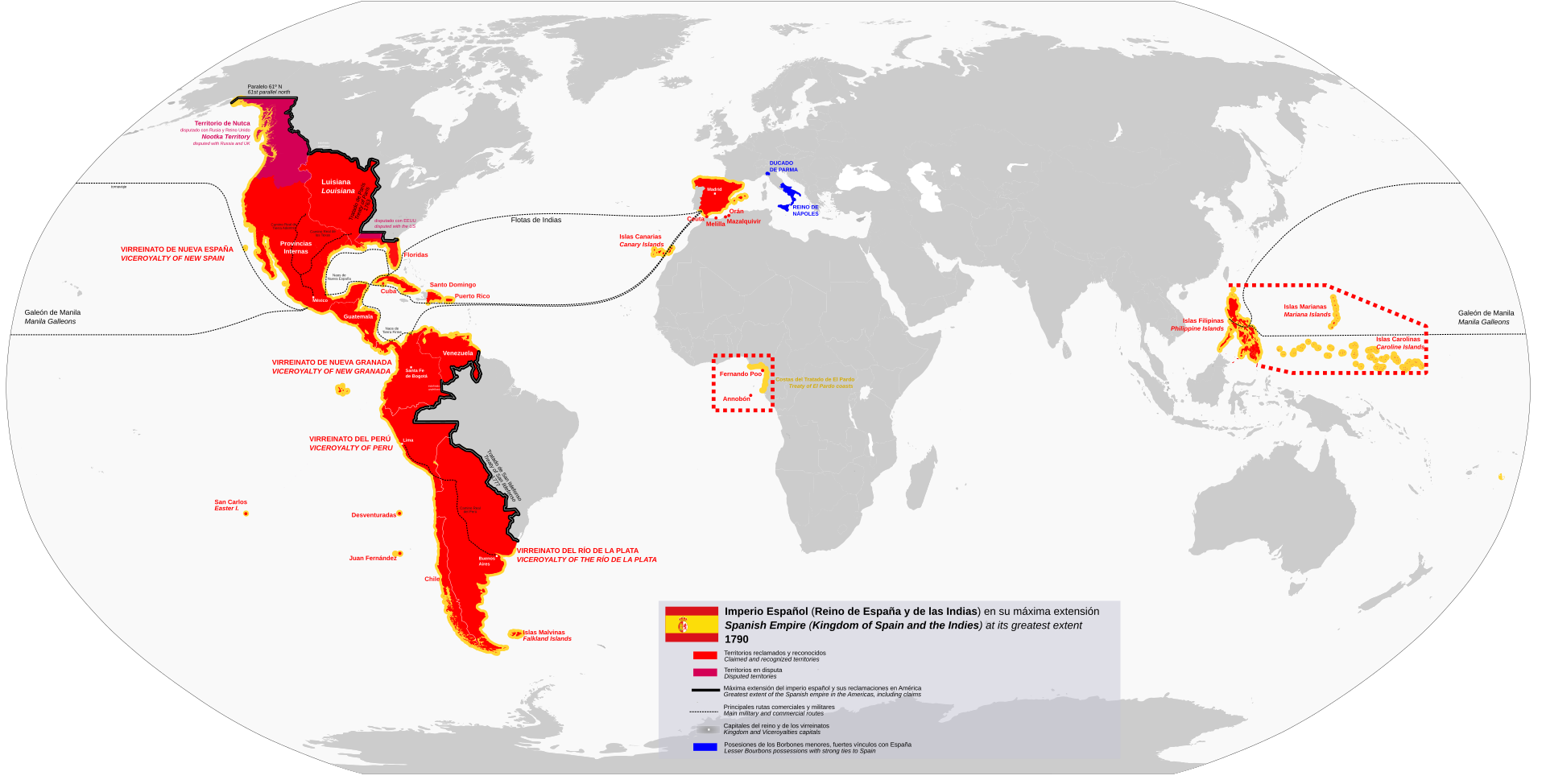
The Spanish Empire (15th–20th centuries) reached its maximum expansion in 1790, with more than 20 million square kilometres and 60 million inhabitants, approximately 6% of the world’s population. It was the first global empire in history, since under the Habsburgs (Charles I and Philip II) it encompassed territories in the Americas, Europe, Asia (the Philippines) and Africa. Its position as a global power began to decline after the Thirty Years’ War (1618–1648) and, above all, with the independence of the American colonies in the 19th century (wars of independence, 1810–1830). The independence of Cuba, Puerto Rico and the Philippines in 1898 marked its end as a colonial empire, although it would abandon its last colony, Western Sahara, in 1976.
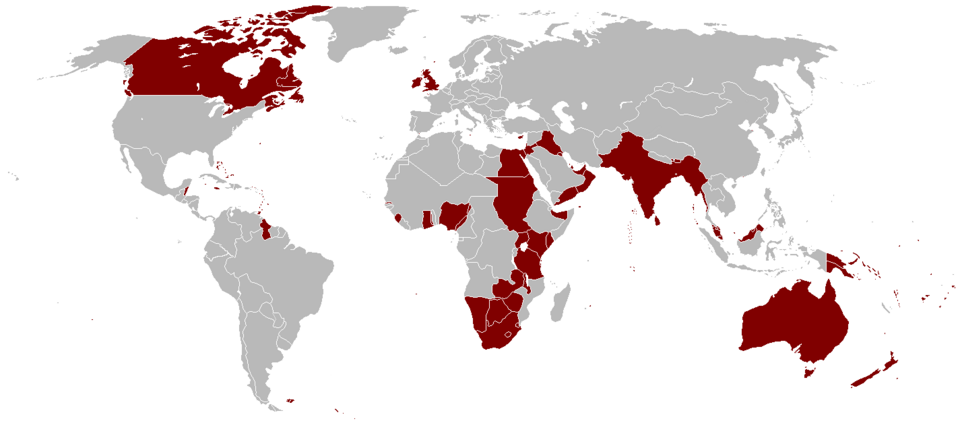
The British Empire (16th–20th centuries) reached its maximum expansion in 1920, when it covered around 35 million square kilometres and almost a quarter of the world’s population. The British Empire combined formal rule (colonies administered directly) with informal rule, exercised through banks, companies and unequal treaties in independent regions. The pound sterling functioned as the world’s reference currency, while the Royal Navy guaranteed control of maritime routes. The process of decolonisation began after the Second World War (1947: independence of India), and today it survives as the Commonwealth of Nations (Commonwealth). Fourteen overseas territories remain under British sovereignty, most of which appear on the UN list of territories pending decolonisation.
Imperialism was radically transformed in the 19th century with the emergence of the Industrial Revolution and the rise of capitalism. It was no longer merely a matter of territorial conquest, but rather a monopoly stage of capitalism in which the export of capital, the merging of industrial and financial capital, and the plundering of colonial resources became drivers of expansion.
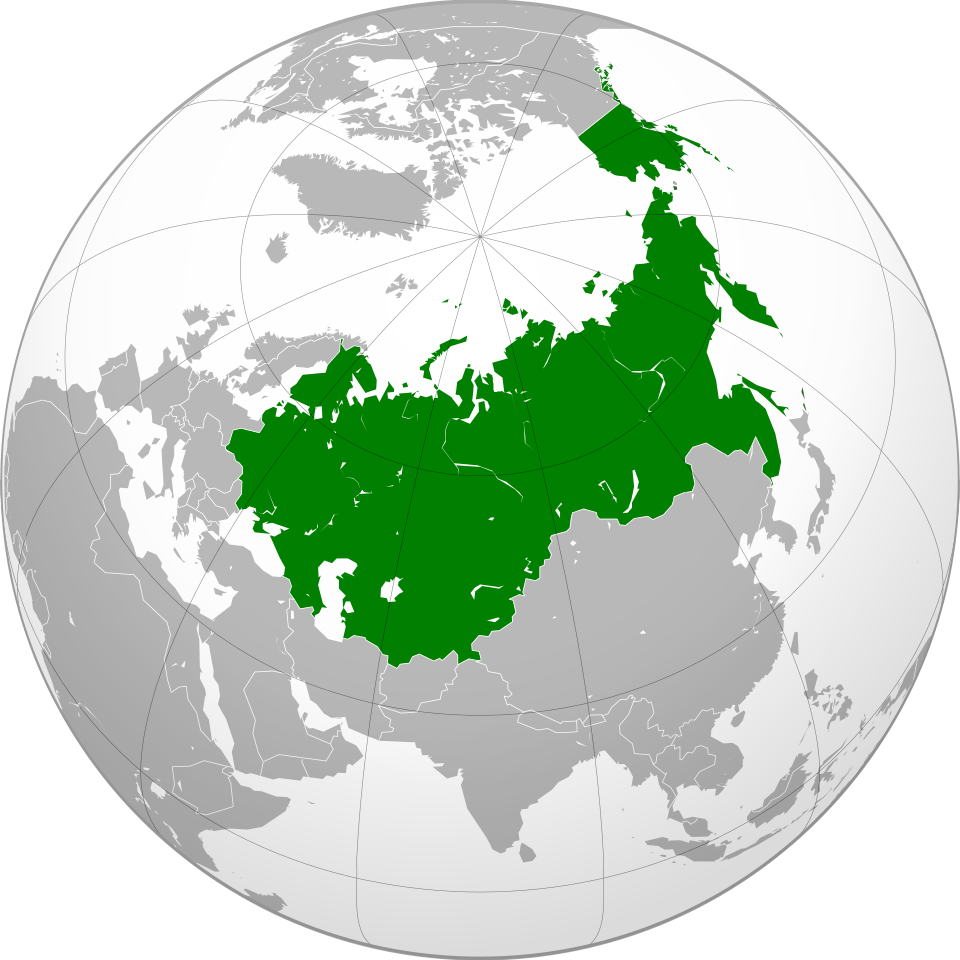
The Russian Empire (1721–1917) was one of the largest empires in history in terms of territorial extent. Officially founded by Peter I the Great in 1721, when the Senate granted him the title of emperor, the empire emerged from the former Tsardom of Muscovy and expanded into a vast domain encompassing Eastern Europe, Northern Asia and even North America (Alaska). At its height, around 1895, it reached 22.8 million square kilometres, representing approximately one sixth of the planet’s landmass. According to the 1897 census, the population amounted to 128.2 million people, with great ethnic diversity (more than 100 groups, of which Russians represented 44%). Its capital was Saint Petersburg (renamed Petrograd in 1914). The empire was characterised by a hereditary autocratic monarchy headed by the tsar, who also controlled the Russian Orthodox Church, and by rigid social stratification. Its disintegration culminated in the October Revolution of 1917, which brought the imperial regime to an end.
The evolution of empires reveals a progression from structures of regional domination towards a global system of competition between powers. Each era was dominated by mechanisms that evolved over time. For centuries, they were characterised by centralised direct power, which imposed an administrative language, a currency and the payment of tribute, administered connections between regions (land/maritime routes and messaging) and controlled trade routes. The stability of the system depended on local rulers who administered the different regions. This system evolved over the last few centuries. From the 19th century onwards, a combination of territorial, financial and commercial control shaped the contemporary world.
Sources
-
El Orden Mundial (2014). Grandes imperios de la historia. https://elordenmundial.com/grandes-imperios-de-la-historia/
-
Wikipedia (s.f.). Imperio. https://es.wikipedia.org/wiki/Imperio
-
Wikipedia (s.f.). Anexo:Imperios por superficie. https://es.wikipedia.org/wiki/Anexo:Imperios_por_superficie
-
Shahbazi, A. S. (s.f.). Darius The Great. Circle of Ancient Iranian Studies. https://www.cais-soas.com//CAIS/History/hakhamaneshian/darius_great.htm
-
Guinness World Records (s.f.). Largest empire by percentage of world population. https://www.guinnessworldrecords.com/world-records/largest-empire-by-percentage-of-world-population?dom=icopyright&src=syn
-
Red Historia (s.f.). Características del Imperio Persa: origen, unificación y religión. https://redhistoria.com/caracteristicas-del-imperio-persa-origen-unificacion-y-religion/
-
El Orden Mundial (s.f.). El mapa del Imperio romano. https://elordenmundial.com/mapas-y-graficos/mapa-imperio-romano/
-
United States Census Bureau (s.f.). Historical Estimates of World Population. https://www.census.gov/data/tables/time-series/demo/international-programs/historical-est-worldpop.html
-
History Guild (2021). The Umayyad and Abbasid Empire. https://historyguild.org/the-umayyad-and-abbasid-empire/
-
Taagepera, R. (1997.). Expansion and Contraction Patterns of Large Polities: Context for Russia. https://escholarship.org/uc/item/3cn68807
-
Guinness World Records (s.f.). Largest contiguous empire. https://www.guinnessworldrecords.com/world-records/86621-largest-empire-contiguous
-
Wikipedia (s.f.). Ottoman Empire. https://en.wikipedia.org/wiki/Ottoman_Empire#CITEREFRoy2015
-
El Orden Mundial (2025). El mapa del Imperio otomano. https://elordenmundial.com/mapas-y-graficos/mapa-imperio-otomano/
-
GlobalSecurity.org (s.f.). Empire, Kingdom, and Power. https://www.globalsecurity.org/military/world/empires-2.html