In social movements, a psychosocial phenomenon known as learned helplessness occurs when individuals or activist groups, after repeated exposure to repressive or invisibilizing situations, internalize the belief that they cannot change oppressive structures. This mechanism undermines individual and collective confidence, weakens the capacity for joint action, and facilitates political paralysis.
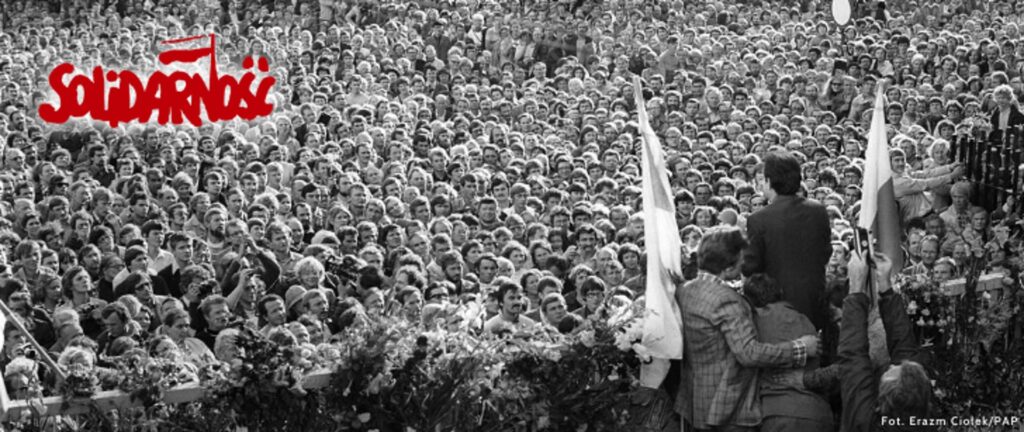
A historical example of this dynamic is the Solidarity movement in Poland during the 1980s. Founded in the Gdańsk shipyards and led by Lech Wałęsa, it mobilized around 10 million people, including workers, students, and civil sectors, becoming a massive force against the communist regime. The imposition of martial law in 1981, with the arrest of leaders and the movement’s ban, did not end its action; Solidarity continued underground and showed that resilience does not depend solely on physical strength, but on the ability to transform frustration and repression into sustainable strategies for collective action. Their experience highlights the importance of autonomous structures, horizontal communication, and continuous micro-actions that keep the struggle alive even under extreme pressure.
To counter learned helplessness, contemporary activism points to three fundamental lines:
- Collective self-reinforcement: implementing self-assessment practices and recognizing partial victories as steps toward social transformation.
- Cognitive reframing: recontextualizing repression or failure as confirmation of action effectiveness; as the Zapatista principle says: “If they repress us, it is because we are doing something that matters.”
- Support infrastructures: building networks of emotional and material support that allow collective action to persist under pressure. A concrete example is la Burla Negra, an open initiative by Pepa Loba that functions as a resistance and solidarity fund, providing support for activists to face adverse circumstances arising from their actions.
History and practice show that overcoming helplessness requires seeing resistance as an accumulative and non-linear process, where each action —even if small or invisible— contributes to the foundation of radical transformation.