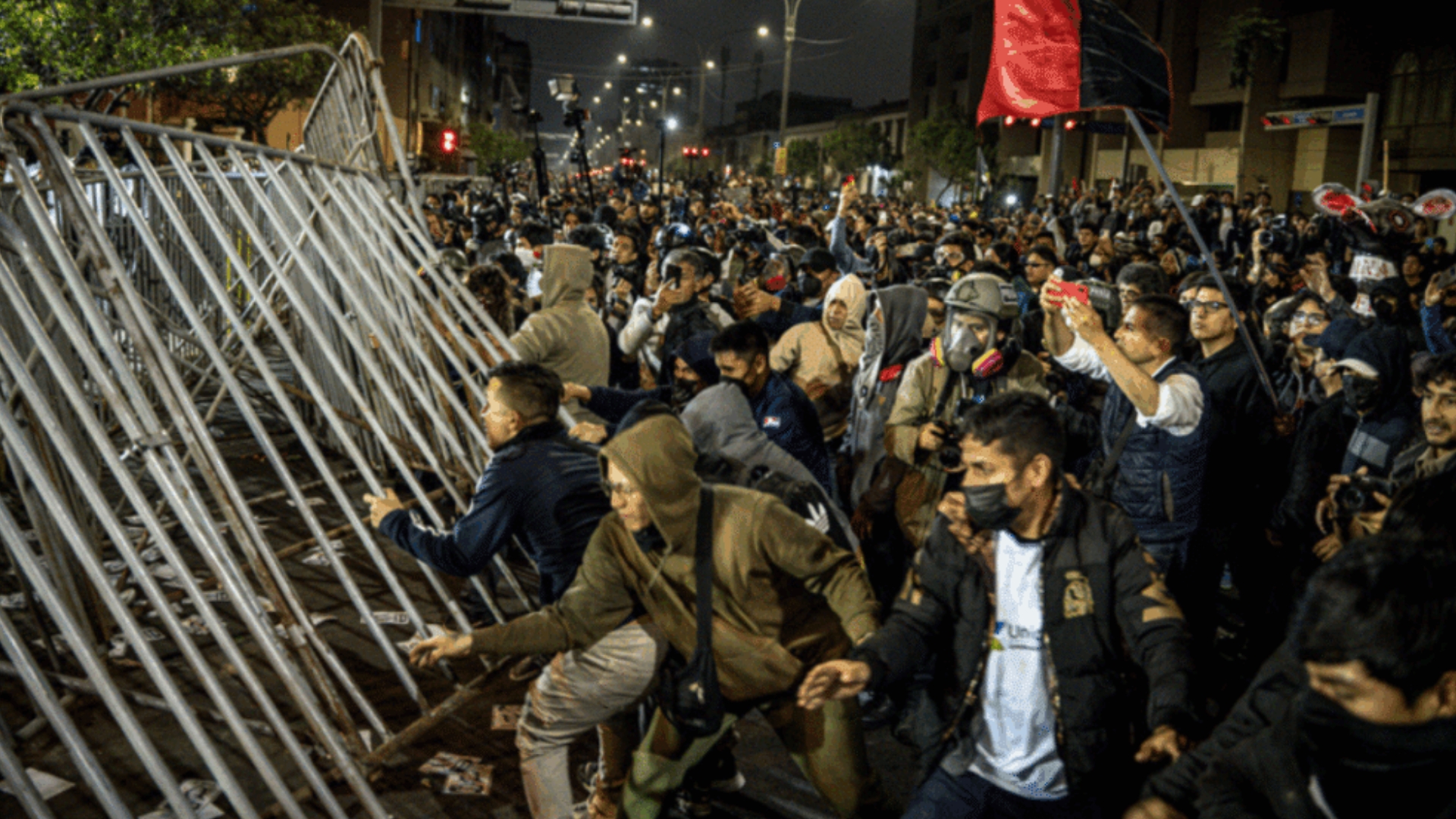
Over the last decade, global politics has been marked by a reactionary tide that, taking advantage of the fatigue of the progressive cycle that followed the 2008 crisis, institutional wear, economic discontent and the manipulation brought about by new technologies, advanced over social rights and democracy. However, recent events in 2026 (from the ballot boxes to the streets) seem to be beginning to sketch out a change of cycle that had already been glimpsed sporadically since the end of 2024. The social dynamics that allowed right-wing and far-right positions to advance are beginning to be counterbalanced and to show signs of wear.
This new scenario does not come out of nowhere. It is the social response to the reactionary offensive that followed the progressive cycle of 2011-2015. That period, characterised by hope, social gains and the emergence of new forms of struggle, was followed by a decade of cuts, authoritarian turns and the rise to power of a radicalised right that made inequality and confrontation its governing tool. Today, the accumulation of social tension and the commitment to policies that clearly increase social inequalities are bringing about a new swing in political positions.
Furthermore, the ballot boxes seem to be beginning to hint at a growing weakening of reactionary leaders, which translates into what appears to be a shift to the left at the end of 2026. Last October, the world witnessed two victories of profound significance. In Brazil, Luiz Inácio “Lula” da Silva staged an unprecedented comeback, defeating Flávio Bolsonaro in the runoff with 51.79% of the vote. This victory not only halted the wave of far-right governments aligned with Washington in the region over recent years, but also demonstrated that popular mobilisation and the defence of social programmes are still the majority against the discourse of hate. Meanwhile, in Serbia, the “Students’ List” achieved a landslide victory with 52.71% of the vote, putting an end to years of dominance by Aleksandar Vučić’s party and demonstrating that citizen protests can translate into institutional change.
On the other side of the board, reactionary leaders are showing clear signs of exhaustion. In Israel, although the majority blocs that could potentially govern continue to bet on genocide, Netanyahu emerges from the recent elections in Israel with a weakened coalition position. In the United States, Trump falls to historic lows with an approval rating of 32% and a disapproval rating of 66%, while Republicans see their institutional power dwindle after a very tough electoral result last November 3 in the Midterms, where they lost both chambers as a consequence of discontent over repression, inflation, and the cost of living. In Ukraine, Zelensky faces a crisis of internal legitimacy: his trust rating has fallen to 58% and only 28% of Ukrainians want him to stay in power after the war, while his Western allies are beginning to acknowledge that full territorial recovery is unviable. In Morocco, Mohammed VI accumulates absences, rumours of transition and deep social discontent, exemplified by the repression of the GenZ212 movement (with thousands detained) and the youth frustration that erupted with the avalanches in Ceuta.