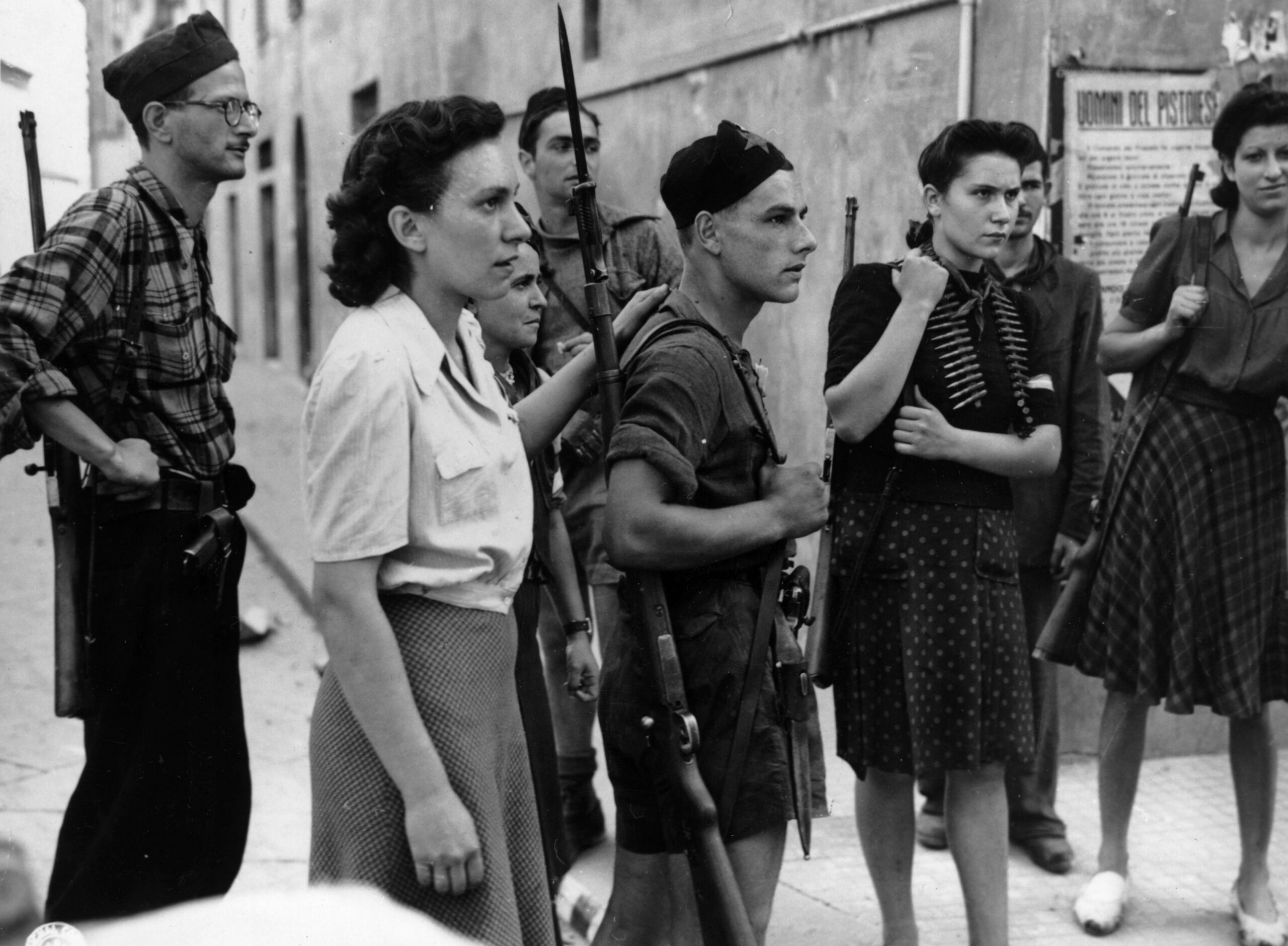
The song “Bella Ciao” is an anonymous Italian folk anthem, transmitted for years through oral tradition in the northern regions of Italy. Its exact origin is uncertain, but it has become an internationally recognized cultural symbol of antifascist resistance.
Its earliest roots can be traced back to the second half of the 19th century, linked to the “mondine”, women working in the rice fields of the Po Valley. These women used protest songs to denounce harsh working conditions: exhausting workdays, low wages, and the loss of life opportunities in the fields.
Between 1943 and 1945, within the context of the Italian antifascist Resistance, the melody was adapted and transformed into a song of struggle against fascism and Nazi occupation. The partisans who fought against Mussolini’s Italian State used it as a symbolic expression of their resistance.
In the postwar period, the song entered a phase of progressive international diffusion, especially through the World Youth Festivals held in cities such as Berlin, Prague, and Vienna in the late 1940s. In the 1960s, performances by artists such as Giovanna Daffini and Yves Montand helped spread it across Europe. During the 1968 protests, “Bella Ciao” became a global symbol of social mobilization and political demand.
In the 21st century, it spread worldwide as an anthem of resistance in countless protests and movements: from the marches against Piñera over inequality in Chile to the Gezi Park encampment in Erdogan’s Turkey; from the 2011 Occupy Wall Street movement to the Zapatista “caracoles” in Chiapas; from the indignados in the State of Spain to the feminist movement; from the Nuit debout assemblies in Paris to Fridays for Future climate initiatives; from Kurdish fighters in northern Syria to the Tishreen Revolution protests in Iraq.
“Bella Ciao” is a clear example of how a musical expression of popular origin can become a universal symbol against oppression and social injustice, adapting to different eras and historical movements without losing its essence.