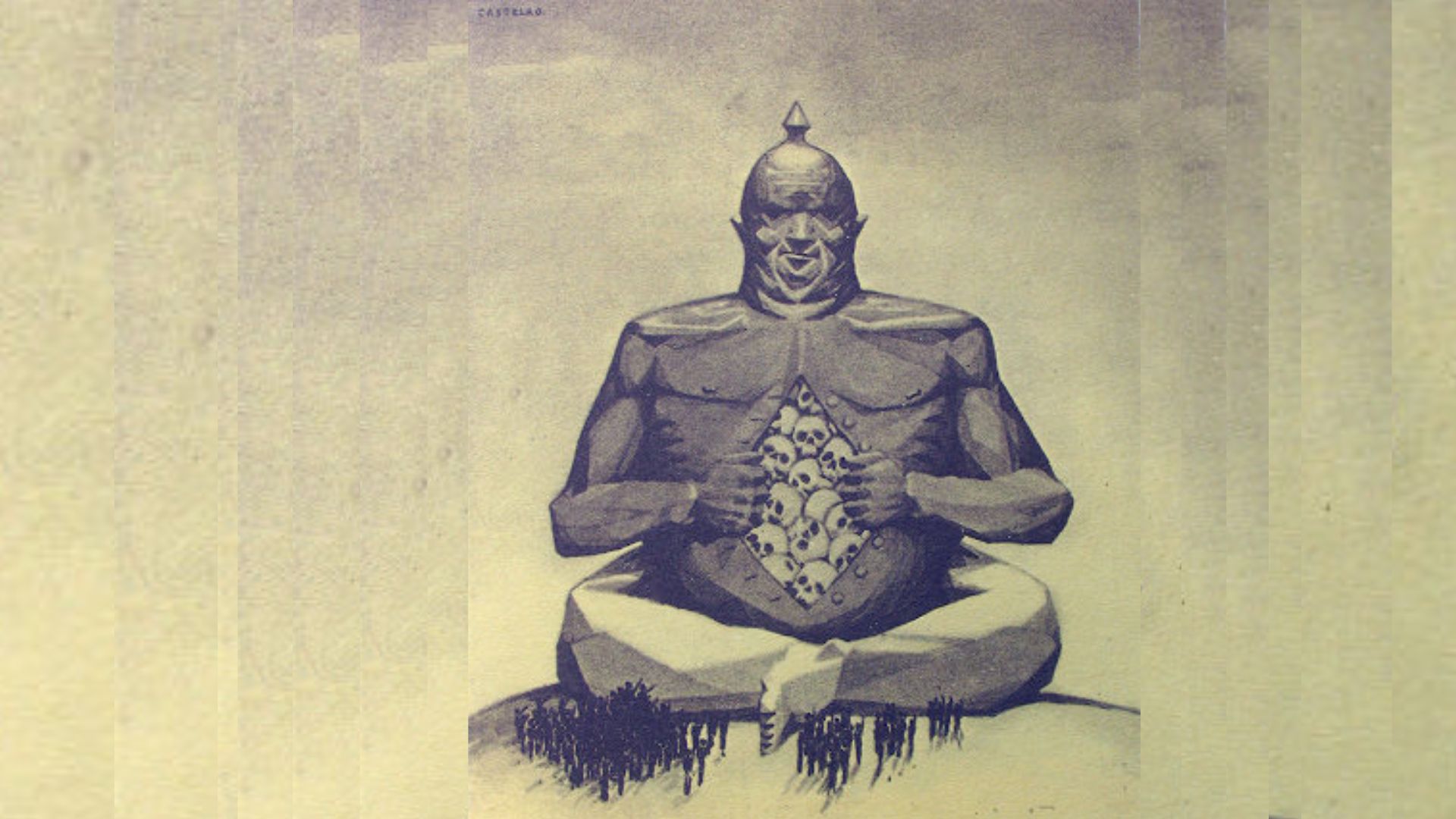
This text is part of the contents of the first book by ECOAR))) and will go on sale at the end of this year, 2026. Winning the Narrative! Manual for Combating the Far-Right Discourse.
As previously seen, the far-right is a heterogeneous, constantly changing conglomerate made up of movements of different natures (neofascism, Alt-right, Nouvelle Droite, Old Right, Q-Anon, neo-patriotism, ecofascism, far-right accelerationism, etc.) that share a rejection of and hostility towards liberal democracy, a deep-seated ultranationalism, and an anti-establishment discourse. Although not all far-right groups adopt all of them, they do “touch upon” several (or even all!) of the characteristics established for fascism by Umberto Eco in the book Ur-Fascism, published in 1995. These characteristics form the basis of the far-right’s framework and narrative, while also shaping the essence of its discourse.
Thus, the characteristics outlined by Umberto Eco are:
-
The cult of tradition. A glorious and pure past must be recovered, mixed with myths without concern for contradictions. Any novelty is seen as a betrayal of that supposed lost essence.
-
Rejection of modernism. The Enlightenment, reason, and social progress are despised as decadent. However, technological advances that serve control and propaganda are admired.
-
Cult of action for action’s sake. Acting without thinking is a virtue; reflection and doubt are seen as weaknesses typical of cowards. What matters is to keep moving, even if the direction is unclear.
-
Disagreement is treason. Any criticism, internal or external, and analytical thinking are perceived as a threat to the sacred unity and absolute truth of the movement. Thus, any space for debate, criticism, or self-criticism is eliminated.
-
Fear of difference. An enemy, whether external or internal (immigrants, minorities, dissidents), is needed to justify repression, making political persecution, racism, and xenophobia central elements. Those who are different are perceived as a direct threat to national identity.
-
Appeal to social frustration. It is primarily directed at the middle class—both the impoverished and those who feel humiliated or pressured by social groups they consider beneath them—offering them scapegoats. It uses resentment to channel anger towards those who supposedly took away “their” place.
-
Obsession with a conspiracy. Followers must feel besieged by a conspiracy of hidden groups (Jews, communists, globalists…), often international in nature, weaving a plot to weaken the homeland and/or national identity. This narrative justifies extreme measures to “defend” against that invisible enemy.
-
The enemy is both strong and weak. Through a rhetorical ploy, the enemy is presented as super-powerful to justify the struggle, but also as vulnerable to ensure that victory is inevitable. A contradiction that seeks to shape a mobilizing narrative with violence at its core.
-
Life is permanent war. Pacifism and tolerance are considered treason or collaboration with the enemy; constant struggle is presented as the essence of life. War, whether real or metaphorical, purifies and exalts the people.
-
Contempt for the weak. An elitism is configured that glorifies strength, toughness, and competitiveness, while disparaging compassion, weakness, or vulnerability. Sick, poor, or elderly people are seen as a burden on national greatness.
-
Education for heroism. Heroism is the norm. Personal sacrifice and death for the national cause are glorified as the highest values. Everyday life becomes a constant test of loyalty and courage.
-
Machismo and weaponry. An aggressive, militarized masculinity is exalted, while the feminine and sexual diversity are despised. Weapons and virility become symbols of power and purity.
-
Selective populism. It claims to be the “voice of the people” to attack parliaments and parties, while only listening to those who support it. It rejects representative democracy as corrupt and distant from true citizenship.
-
“Newspeak”. It uses a depleted vocabulary, simple syntax, repetitive slogans, and set phrases to limit the capacity for critical and complex reasoning. By reducing the ability to express nuances, it also limits the possibility of dissent.