We are about to begin a new stage, and we believe you could help us!!
with No Comments

We are launching an analysis process at ECOAR))) through which we hope to clearly define the main lines that will shape the project over the coming decade. To carry out this process, we would like to count on as many voices and perspectives as possible. And this is where you come in!! Why is it important that you participate? Because we strongly believe that each and every one of us brings a perspective that others do not have. Because we … Read more

Bella Ciao: the antifascist gift of the Italian people to the world
with No Comments

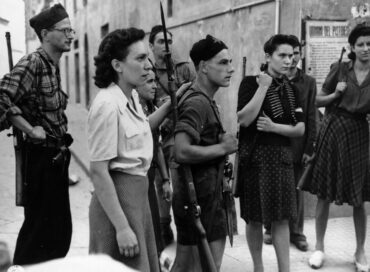
The song “Bella Ciao” is an anonymous Italian folk anthem, transmitted for years through oral tradition in the northern regions of Italy. Its exact origin is uncertain, but it has become an internationally recognized cultural symbol of antifascist resistance. Its earliest roots can be traced back to the second half of the 19th century, linked to the “mondine”, women working in the rice fields of the Po Valley. These women used protest songs to denounce harsh working conditions: exhausting workdays, … Read more

Fascism: A Thug Born of Capitalism (I). Origin of the concept.
with No Comments

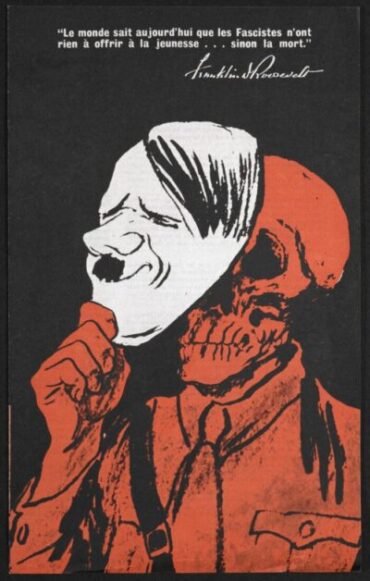
The term “fascism” comes from the Latin fasces, which in ancient Rome referred to a bundle of rods tied around an axe. This symbol represented the authority and power of magistrates to punish citizens, as well as the strength that comes from unity: a single rod can be easily broken, but a bundle is unbreakable. The Italian word fascio (bundle) gave its name to the “Fasci di Combattimento”, founded by Benito Mussolini in Milan on March 23, 1919, deliberately reclaiming … Read more

From the Board to the Square: The Pedagogical Value of Cooperative Board Games
with No Comments

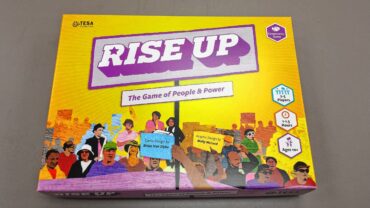
Leisure is not a neutral territory. Since the early 20th century, board games have functioned as a space of ideological dispute, where economic and social behaviors are shaped. The current wave of resistance games revives a forgotten tradition: using dice and cards not to accumulate fictitious capital, but to build social imaginaries (that is, ways of organizing and interpreting reality) based on the common good and solidarity. The origin of this movement can be traced to the work of American … Read more

“La hora robada”: the documentary exposing the impact of tourism in Gran Canaria
with No Comments

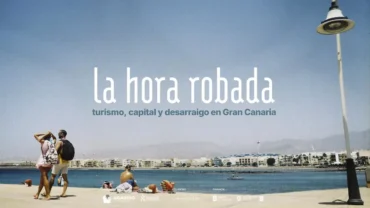
The Asociación Galega de Comunicación para o Cambio Social (AGARESO) premieres the documentary “La hora robada. Turismo, neocolonialismo y desarraigo en Gran Canaria”, an audiovisual work that examines the social and territorial consequences of the current tourism model on the island. The 35-minute piece was developed במסגרת the course “Comunicar para o cambio” and involved a team of five filmmakers traveling to Gran Canaria for five weeks. The project was initially conceived to address migration routes to the Canary Islands, … Read more

Creativity as a Brake on Hate Speech
with No Comments

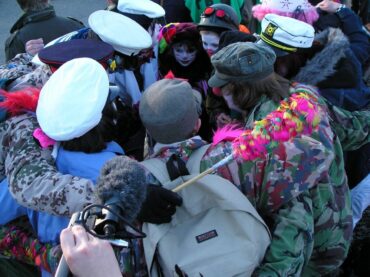
When hate speech seeks to impose itself through intimidation and martial solemnity, the most effective response can be found in strategies that avoid violent confrontation. Creativity and humor are tools of resistance with a long historical tradition, now regaining relevance as a way to dismantle fascist narratives without yielding to their logic. The tactic of the subversive clown has its roots in the British group “Clandestine Insurgent Rebel Clown Army” (CIRCA), founded in 2003, which combined improvisational theatre with civil … Read more

Historical milestones of organized struggle
with No Comments

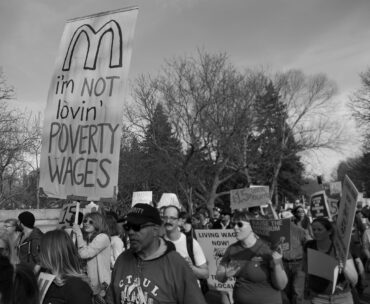
When we look at the present and see how capital profits grow rapidly while the living conditions of the working class stagnate or decline, we understand the need to recover collective memory and avoid the paralysis imposed by individualism. Current rights (such as the eight-hour workday, maternity protection, or equal pay) are the result of organization and social mobilization, not spontaneous concessions. This article revisits five historical milestones that demonstrate the transformative power of organized struggle. The first major milestone … Read more

Housing in Spain. A century of social struggle
with No Comments

The struggle for decent housing has been a constant feature of Spain’s recent history. From the earliest protests against evictions to the current demonstrations against property speculation, neighbourhood and citizens’ movements have marked key milestones in the fight for this fundamental right. One of the largest mobilisations took place in 1931, when the CNT called a rent strike in Barcelona in response to the mass evictions caused by the 1929 crisis. Around 100,000 families joined the strike for eight months, … Read more

El futuro sobre plano: Biznaga’s chant against real estate speculation
with No Comments

El futuro sobre plano (2004), by the Madrid-based punk rock band Biznaga, is an expression of rage in the face of the severe housing crisis in the Spanish State and a call for social mobilisation. The lyrics reflect the current housing situation in the country: financial speculation by vulture funds, lack of social housing, gentrification, mass tourism, evictions… but they also call for the contestation of the city and for reclaiming the right to inhabit it with dignity. The music … Read more

25 April: the spirit of the Carnation Revolution lives on in Portugal
with No Comments

On 25 April 1974, the Carnation Revolution, led by the Armed Forces Movement (MFA), brought an end to Portugal’s Estado Novo, the longest-running dictatorship in Western Europe. In a non-violent uprising, the population took to the streets to support the military, placing red carnations in the barrels of their rifles. José Afonso’s song “Grândola, Vila Morena” was broadcast on the radio to serve as a signal to the groups that simultaneously seized the various seats of power, and it became … Read more

1 2 3 4 5 17